Quick take
- Happy Pay stories should be treated as decision prompts, not proof that an opportunity is right for every buyer.
- Check the source date, commercial context and assumptions before acting on this franchise_signal signal.
Franchise King articles are editorial information and AI-assisted franchise intelligence, not professional advice. Use them as a starting point for your own due diligence.
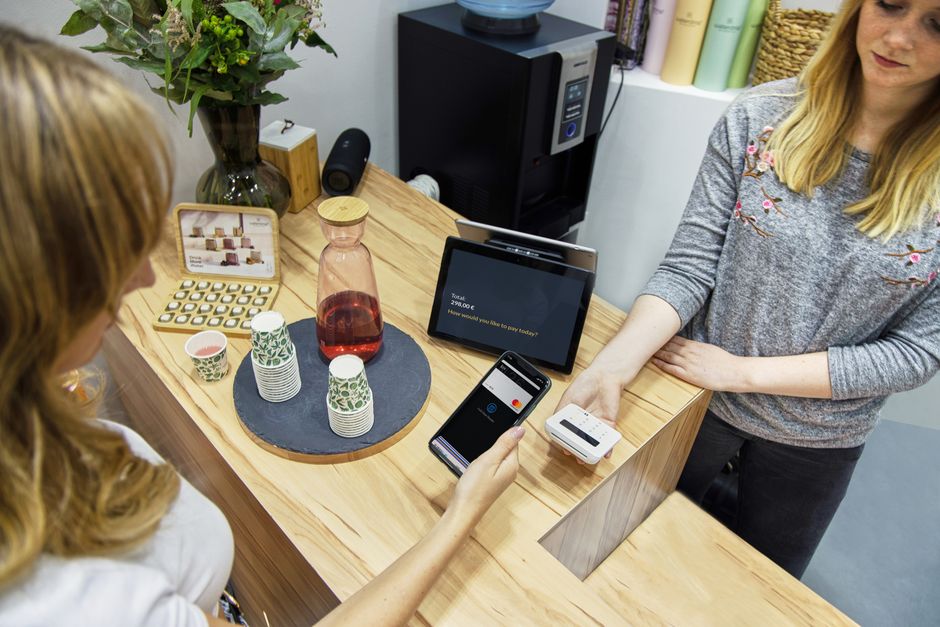
Happy Pay has teamed up with Ozow to roll out zero-deposit buy now, pay later (BNPL) options to more local merchants. The deal, reported on 2026-05-11, targets friction at checkout where customers balk at up-front payments. Franchise King is watching this signal because BNPL tools are starting to reshape consumer spending habits in South Africa. For franchisees running retail, quick-service restaurants or service outlets, the ability to offer instalment payments without a deposit could influence conversion rates and average transaction value.
Why Franchise King is watching this
BNPL offerings have grown rapidly in South Africa, but most require some form of initial payment. Zero-deposit models remove that barrier. This partnership combines Happy Pay's instalment infrastructure with Ozow's established payment rails, which already reach a wide merchant base. If the rollout gains traction, franchise operators in sectors like furniture, electronics, home services and health could see a shift in how customers pay. The signal is early. No specific merchant names, geographic scope or uptake numbers have been disclosed. Still, the move suggests that payment providers see an opportunity to drive adoption by lowering the consumer's upfront cost to zero.
Buyer impact
For franchisees, zero-deposit BNPL can increase basket sizes and conversion rates. Customers who might walk away from a R5,000 purchase because they do not have cash on hand could instead split the payment over several months with no first instalment due immediately. This can be particularly valuable in franchise categories where average transaction values are above R1,000. The trade-off is cost. BNPL providers charge merchants a fee per transaction, typically 3% to 6%. Franchisees need to know whether the uplift in sales volume outweighs the margin compression on each sale. Also, delayed settlement cycles could affect cash flow if the provider does not pay out promptly.
Franchisor impact
Franchisors reviewing payment technology for their networks should assess whether offering a zero-deposit BNPL option aligns with brand positioning and customer demographics. Some brands may want to avoid normalising debt on small transactions. Others may see it as a competitive necessity, especially if adjacent brands adopt it. Standardising on a single BNPL partner can simplify training, settlement reconciliation and marketing. However, exclusive deals with a single provider may limit flexibility if a better option emerges later.
What to watch
- How widely Happy Pay-Ozow is accepted across franchise channels versus independent retailers.
- Whether zero-deposit terms increase cart abandonment or returns compared to deposit-required BNPL.
- Merchant fee structures and any minimum transaction thresholds.
- Regulatory reaction, as BNPL falls under the National Credit Act and the conduct standard for unsecured lending.
Questions buyers should ask
- What is the total cost per transaction, including any hidden fees or settlement delays?
- Does the zero-deposit feature apply to all purchases, or only above a certain value?
- Will integration require a new point-of-sale system or a simple plug-in?
- What happens if a customer defaults — does the merchant bear any liability?
Franchise King take
Zero-deposit BNPL is a pricing tactic dressed up as convenience. It works best where the customer's willingness to pay is higher than their available cash at that moment. Franchisees in high-ticket retail or services should test this carefully, starting with one location before rolling out network-wide. The cost per transaction must be tracked against incremental revenue. Operators who do not run the numbers risk eroding margin on sales they would have made anyway. The deal is worth watching, but enthusiasm should be tempered until merchant terms are transparent.
Why it matters
This matters because happy pay signals can affect how buyers judge capital requirements, operator support, timing and risk before they shortlist a franchise opportunity.
Who is affected
Opportunity and risk
Low attention required. This rating is editorial guidance for further investigation, not financial advice.
Related sectors
Sources
- Bizcommunity bizcommunity.com
Use this article as a starting point for your own due diligence. Franchise King content is editorial and AI-assisted; it is not professional advice or a guarantee of accuracy, outcome or suitability. Read the full disclaimer and AI content policy.